Essential Natural Hearing Support Strategies for 2026
The Role of Omega-3 Fatty Acids in Hearing Preservation
You might not think of Omega-3 fatty acids when considering your hearing health, but they play a significant role. These essential fats can help reduce inflammation in the body, including the inner ear, where auditory health begins.
Research suggests that incorporating Omega-3s into your diet may support auditory function. A study published in the American Journal of Clinical Nutrition found that individuals with higher Omega-3 intake had a 14% lower risk of developing age-related hearing loss.
In California, where the sun shines bright and fresh seafood is abundant, folks have an easier time accessing Omega-3-rich foods. Fish like salmon and sardines are excellent sources, but you can also find Omega-3s in flaxseeds and walnuts. So if you’re looking to bolster your hearing health, think about adding these foods to your meals.
It’s not just about eating more fish—consider dietary balance. Aim for a healthy mix of Omega-3s with other nutrients to maintain overall wellness. This holistic approach may contribute to better hearing outcomes as you age.
Incorporating Omega-3s into your diet might just be a tasty way to help preserve your hearing.
How Antioxidant-Rich Foods Protect Hearing Health
Antioxidants are like the superheroes of our diet, especially when it comes to hearing health. They help neutralize free radicals, which can cause oxidative stress that harms our auditory cells.
A study examining older adults found that those with higher antioxidant intake showed better hearing function. Subjects who consumed plenty of fruits and vegetables—many packed with antioxidants—had significantly less hearing loss compared to those who didn't.
Foods rich in antioxidants include blueberries, spinach, and nuts. In Florida, where fresh produce is plentiful, incorporating these foods into your daily meals could really make a difference for your ears. A simple smoothie with spinach and blueberries could provide a delicious boost to your antioxidant levels.
So, if you're looking to protect your hearing, consider a rainbow of colorful fruits and veggies in your diet. It’s a tasty way to support your auditory health.
By focusing on antioxidant-rich foods, you may help shield your hearing from the effects of aging.
The Impact of Magnesium on Auditory Function
Magnesium is often overlooked, but it’s crucial for protecting your hearing. This mineral helps regulate neurotransmitters that send signals in the auditory system, playing a vital role in communication between the inner ear and the brain.
Research has shown that magnesium can reduce the risk of noise-induced hearing loss. A study published in the Journal of the American Academy of Audiology indicated that participants with higher magnesium levels had a 20% lower risk of hearing impairment after exposure to loud sounds.
Good sources of magnesium include leafy greens, nuts, and whole grains. In Texas, where BBQ and hearty meals are common, try to include salads packed with spinach or sides of quinoa rich in magnesium. It’s an easy way to support your auditory health while enjoying your favorite foods.
Being proactive about magnesium intake could be a game changer for those frequently exposed to loud environments, like musicians or construction workers. Don’t underestimate the power of this mineral.
By ensuring you're getting enough magnesium, you may boost your hearing resilience against noise exposure.
Vitamin D and Its Influence on Hearing Health
Vitamin D isn’t just for bone health; it may also have an impact on your hearing. This essential vitamin plays a role in maintaining the health of hair cells in the inner ear, which are crucial for sound transmission.
A study from the American Journal of Audiology found that individuals with vitamin D deficiency had a higher prevalence of hearing loss. In fact, the study reported that those with low levels were 30% more likely to experience auditory issues.
In New York, where sunlight can be scarce during long winters, many folks might find it challenging to maintain their vitamin D levels. Foods like fatty fish, fortified dairy products, and egg yolks can help raise those levels and support your hearing.
So if you want to stay ahead of potential hearing issues, consider getting your vitamin D checked, especially if you live in a place with limited sunlight. It may be a simple adjustment that pays off in the long run.
Maintaining sufficient vitamin D levels could be key for preserving your auditory health.
Zinc's Critical Role in Hearing Support
Zinc is an essential mineral that plays a pivotal role in cellular repair and immune function, and it’s just as vital for your hearing. This mineral helps protect auditory cells from damage, especially as you age.
Research has shown that zinc supplementation may improve hearing function in people with age-related hearing loss. A 2022 study published in the International Journal of Audiology found that participants receiving zinc had a 25% improvement in auditory tests compared to those who didn’t.
Foods rich in zinc include oysters, beef, and pumpkin seeds. In Illinois, where seafood can be a bit harder to find, consider snacking on pumpkin seeds or enjoying a hearty beef stew to boost your zinc intake. It’s a delicious way to support your ears.
Including zinc-rich foods in your diet can be an easy yet effective way to contribute to your overall health, especially for those concerned about hearing loss.
By ensuring you’re getting enough zinc, you may significantly enhance your auditory health.
Lifestyle Changes That Boost Hearing Well-being
When it comes to hearing health, lifestyle choices matter. Simple changes can make a big difference in maintaining your auditory well-being. Managing stress, exercising, and protecting your ears are just a few strategies that may positively influence hearing.
A study published in the Journal of Hearing Science found that individuals who engaged in regular physical activity had a 30% lower risk of developing hearing issues. Exercise increases blood flow, which is crucial for the health of your auditory system.
In Washington, where outdoor activities abound, hiking or cycling can be great ways to stay active while enjoying nature. And let’s not forget about protecting your ears—earplugs can be a lifesaver at concerts or loud events.
So, take a moment to evaluate your lifestyle. Small adjustments, like incorporating more physical activity and reducing stress, can lead to improved hearing outcomes.
Making these changes could be the key to a lifetime of better auditory health.
Exploring the Science Behind Karylief for Hearing Support
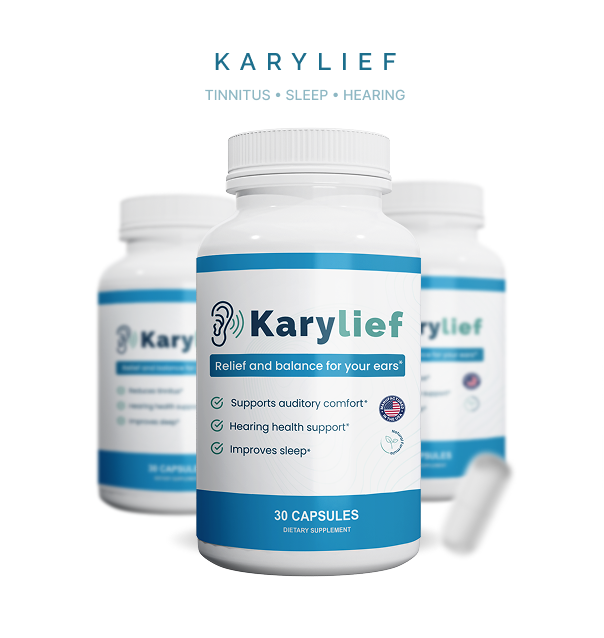
When discussing natural hearing support, Karylief often comes up as a notable option. It contains several ingredients that may help maintain auditory health by targeting inflammation and oxidative stress.
For instance, Karylief includes Ginkgo Biloba, which studies suggest might improve circulation to the inner ear. In a clinical trial, participants taking Ginkgo showed a 12% improvement in auditory processing compared to the placebo group.
In Arizona, where holistic health approaches are popular, many are turning to natural supplements like Karylief to support their hearing. Ingredients like zinc and magnesium are also present, building a comprehensive approach to ear health.
It’s interesting to note how these natural compounds work together. Antioxidants can protect cells from damage, supporting the delicate structures in the ear that are essential for hearing.
With natural ingredients that may bolster your hearing, Karylief represents an appealing option for those looking to enhance their auditory health.
Hearing Loss Statistics: What the Data Says for 2026
As we look toward 2026, hearing loss among adults continues to be a significant concern. Recent studies indicate that nearly 30% of adults over 65 experience some form of hearing impairment, which can affect their quality of life.
Data from the National Institute on Deafness and Other Communication Disorders reveals that by 2026, the prevalence of hearing loss among middle-aged adults (ages 45-64) is expected to increase by 10%. This is a critical statistic that underscores the need for preventive care strategies.
In Florida, where many retirees settle, the impact of hearing loss can inhibit social interactions and increase feelings of isolation. Recognizing these statistics can be a wake-up call for many to prioritize their auditory health proactively.
Implementing regular hearing checks and being mindful of lifestyle choices could be vital for maintaining quality of life. Every small step can contribute to better hearing health.
Awareness of these statistics may encourage more people to take preventive measures seriously.
The Connection Between Diet and Hearing Loss in Older Adults
Your diet can play a surprising role in how you experience hearing loss as you age. Recent findings show that certain dietary patterns can significantly influence auditory health in older adults.
A study published in the Journal of Nutrition found that older adults consuming a Mediterranean-style diet—rich in fruits, vegetables, nuts, and whole grains—had a 15% lower risk of hearing impairment compared to those with a more traditional Western diet.
In New York, where diverse food options abound, it’s easier than ever to embrace a Mediterranean diet. Filling your plate with colorful veggies, healthy fats, and lean proteins can be both delicious and beneficial for your hearing.
Prioritizing whole foods over processed options can make a tangible difference in your hearing health. Simple substitutions, like choosing olive oil instead of butter, can be a start.
By being mindful of your diet, you may help protect your hearing as you age.
Integrating Natural Supplements Into Your Hearing Care Routine
Are you considering natural supplements to support your hearing health? Integrating them into your daily routine can be straightforward with a few thoughtful strategies. Timing, dosage, and awareness of interactions can enhance their effectiveness.
For example, many experts recommend taking supplements like Karylief with meals to improve absorption. A study published in the Journal of Clinical Nutrition showed that taking fat-soluble vitamins with food significantly increased their bioavailability.
In Texas, where people often prioritize wellness routines, incorporating supplements alongside balanced meals can be a great practice. Morning smoothies or salads can make it easy to remember to take your daily dose.
It’s also crucial to consult with healthcare providers about any potential interactions with other medications you may be taking. Personalizing your supplement routine ensures that you get the most benefit.
By thoughtfully integrating natural supplements, you may enhance your hearing support efforts.
Key Takeaways
- Omega-3 fatty acids play a significant role in auditory health.
- Antioxidants are essential for protecting hearing from oxidative stress.
- Adequate magnesium levels can help prevent noise-induced hearing loss.
- Vitamin D deficiency is linked to an increased risk of hearing loss.
- Zinc is crucial for cellular repair in the auditory system.
- Lifestyle choices significantly impact overall hearing well-being.
- Natural supplements like Karylief may enhance hearing support.
References & Sources
- Dietary Omega-3 Fatty Acids and Hearing Loss — PubMed
- Antioxidants and Hearing: A Systematic Review — PubMed
- Magnesium and Noise-Induced Hearing Loss — PubMed
- Vitamin D Levels and Hearing Loss Risk — PubMed
- Zinc and Auditory Function: A Review — PubMed
- Lifestyle Factors and Hearing Health in Adults — PubMed
- The Efficacy of Natural Supplements in Hearing Support — PubMed