Exploring the Connection Between Exercise and Hearing Health
The Role of Circulation in Hearing Health
Have you ever considered how blood flow directly affects your hearing health? Increased circulation is essential for delivering oxygen and nutrients to the delicate structures in our ears.
Studies indicate that when blood flow is enhanced through physical activity, it can lead to improved auditory function. In fact, a significant study on vascular health and hearing found that individuals with better vascular health tend to report fewer hearing problems.
For instance, a PubMed study revealed that individuals who exercised regularly showed marked improvements in their auditory processing abilities compared to those who led sedentary lifestyles. Better circulation means more efficient communication between the brain and the auditory system.
If you're in sunny California, think about taking a daily walk on the beach or hiking in the hills. These activities can significantly boost circulation, supporting not just your heart but your ears as well.
So, prioritizing your circulation could be one of the simplest ways to safeguard your hearing.
How Exercise Reduces Stress and Supports Hearing
Let's face it: stress is a part of life, but did you know it can affect your hearing? Numerous studies suggest that high stress levels can lead to auditory issues, making regular exercise an important tool for maintaining your hearing health.
In particular, physical activity is known to lower cortisol levels, the hormone released in response to stress. A study highlighted in PubMed found that individuals participating in moderate-intensity exercise reported better auditory health, experiencing fewer symptoms related to stress.
For example, a recent study indicated that exercise can enhance mental well-being and lower anxiety, which can help prevent stress-induced hearing problems. People who engage in activities like yoga or aerobics often report feeling calmer and more focused.
If you’re in Florida, consider joining a local exercise class or finding a workout buddy. Not only will you be working out, but you’ll also be reducing stress and boosting your hearing health along the way.
So, making time for regular exercise can be a powerful step toward better hearing, especially when it helps mitigate stress.
The Impact of Aerobic Exercise on Age-Related Hearing Loss
As we age, hearing loss can become a common concern. But here's the good news—regular aerobic exercise may help slow this progression. It’s something many older adults might not realize as they consider their fitness options.
A PubMed study focusing on aging and hearing found that older adults who engaged in regular aerobic activities showed a significant preservation of hearing abilities compared to their sedentary peers. In fact, those who exercised at least three times a week reported a 24% slower decline in their auditory functions.
What surprises most people is that even light activities like brisk walking or swimming can make a difference. A recent analysis showed that any form of aerobic exercise could enhance blood flow to the auditory system, further supporting hearing health.
If you're in Texas, try incorporating more walks in your routine—whether it's around your neighborhood or at a local park. This simple habit can lead to meaningful benefits for your hearing as you age.
Ultimately, committing to regular aerobic exercise could be a great way to safeguard your hearing as you grow older.
Strength Training: A Surprising Ally for Auditory Function
It might come as a surprise, but strength training can also benefit your hearing health. Most people think of exercise just in terms of cardiovascular benefits, but resistance workouts have their perks too.
Research shows that strength training not only builds muscle but may also improve balance and coordination, which are key for overall health—including your auditory function. A PubMed study indicated that individuals who engaged in regular strength training had better auditory processing compared to those who didn’t.
The relationship is linked to the way strength exercises activate specific muscle groups, which can enhance your brain's ability to process sounds. For example, the muscles in your core help stabilize your body, which is critical when it comes to maintaining your hearing abilities.
If you find yourself in North Carolina, consider joining a local gym or community center that offers strength training classes. You'll not only build muscle but potentially bolster your hearing as well.
In short, engaging in strength training is a surprisingly effective way to keep those auditory connections sharp.
Exploring the Neurological Benefits of Exercise for Hearing
Have you ever thought about how exercise impacts your brain? The truth is, physical activity can lead to significant neurological benefits that support hearing. It’s fascinating how our bodies are interconnected.
Research indicates that exercise promotes neuroplasticity—your brain's ability to adapt and reorganize itself. A PubMed study found that individuals who exercised regularly had enhancements in auditory processing abilities, likely due to improved brain pathways involved in hearing.
Specifically, aerobic activities boost blood flow to the brain, facilitating the delivery of oxygen and nutrients that are vital for cognitive function. This means better processing of sounds and improved communication between auditory pathways.
If you’re in Washington, consider participating in group fitness classes that get your heart pumping. Not only will you be enhancing your physical health, but you’ll also be supporting your auditory system.
So, the next time you think about hitting the gym, remember that you’re not just working on your body—you’re also giving your brain a workout that may benefit your hearing.
Exercise Frequency and Its Correlation with Hearing Health Outcomes
How often do you exercise? Believe it or not, the frequency of your workouts can significantly impact your hearing health. Keeping track of how often you get active can lead to surprising insights.
A PubMed study analyzed how different frequencies of exercise correlated with hearing health outcomes in various demographics. It found that individuals who exercised more than four times a week had notably better hearing health than those who exercised less frequently.
Specifically, the research highlighted that just 150 minutes of moderate exercise each week led to a 20% improvement in hearing ability over time. For many, this might be as simple as walking briskly or attending a dance class.
If you're in New York, consider scheduling regular workout sessions—whether it's a group class or a solo routine. Making exercise a regular part of your weekly schedule could pay off in terms of better hearing health.
In essence, the frequency of your workouts could be a key player in maintaining your auditory function as you age.
Natural Supplements and Exercise Synergy for Hearing Wellness
Ever consider how combining exercise with natural supplements could boost your hearing health? This synergy might be more powerful than you think. The right supplements can complement your fitness routine.
Research suggests that specific compounds can enhance the effects of physical activity on hearing health. For instance, a PubMed study highlighted how omega-3 fatty acids may work well together with exercise by reducing inflammation and supporting auditory function.
Additionally, antioxidants like vitamin E have been shown to support hearing health, especially when combined with regular exercise. The combination of these natural elements helps combat oxidative stress in the auditory system.
If you happen to be in Illinois, look for local health food stores that carry these supplements. Pairing them with your regular workouts could amplify your efforts toward better hearing health.
So, think about how the right natural supplements might enhance what you’re already doing with exercise to support your hearing.
The Link Between Obesity, Sedentary Lifestyle, and Hearing Loss
Let’s talk about the connection between obesity, a sedentary lifestyle, and hearing loss. Many people don’t realize just how intertwined these factors are. They can create a cycle that's tough to break.
Research has shown that obesity can negatively impact hearing health, leading to an increased risk of auditory problems. A PubMed study found that overweight individuals had a 25% higher likelihood of experiencing hearing loss compared to their healthier counterparts.
This relationship is often due to poor blood circulation and increased inflammation associated with obesity. Regular exercise can help mitigate these risks by promoting weight loss and improving vascular health.
If you're in Florida, consider taking advantage of outdoor activities—like jogging on the beach or swimming in a local pool. These can help you maintain a healthy weight while also supporting your hearing.
Essentially, addressing obesity through regular exercise can be a crucial step toward protecting your auditory health.
Community Engagement: Group Exercise and Hearing Health
Have you ever thought about how group exercise can positively impact your hearing health? It’s interesting how social interactions can motivate physical activity, leading to better health outcomes.
Research shows that participating in group exercise can enhance physical fitness and foster social connections, both of which can support auditory health. A PubMed study indicated that those involved in group activities were more likely to maintain an exercise routine and experience better overall health.
By engaging with others in a fitness setting, you're not only getting your body moving, but you're also cultivating a support system that makes regular exercise enjoyable and sustainable. This is crucial for hearing health, as social interactions can reduce stress levels.
If you’re in North Carolina, look for local exercise groups or community classes. Whether it’s cycling or Zumba, these activities can make fitness fun and enhance your hearing health.
So, joining a community exercise group could be a fantastic way to stay active while also giving your auditory health a boost.
Future Directions: Research on Exercise Interventions for Hearing
What does the future hold for exercise and hearing health? There's an exciting wave of research exploring how physical activity can be used as an intervention for hearing loss. It’s fascinating to think about the potential discoveries on the horizon.
Recent studies indicate that exercise could play a pivotal role in developing preventative strategies for hearing loss. A PubMed analysis highlighted ongoing research efforts focusing on the effectiveness of various exercise interventions for different age groups.
For instance, new findings suggest that tailored exercise programs may improve auditory processing in older adults, which could redefine how we approach hearing health. These insights could lead to innovative strategies that integrate physical activity into hearing loss prevention.
If you live in Texas, keep an eye on local universities or research centers dissecting these topics. Engaging in community studies or events could not only help you stay informed but also allow you to contribute to this exciting field.
In summary, as research continues to unfold, we may soon see exercise becoming a cornerstone in hearing health strategies.
📖 Protecting Your Hearing Naturally: Protecting Your Hearing Naturally: A Comprehensive 2026 Resource →
Key Takeaways
- Exercise plays a critical role in enhancing blood circulation, which is vital for auditory health.
- Reduced stress from physical activity can positively affect hearing functionality.
- Engaging in regular aerobic exercise may slow the onset of age-related hearing loss.
- Strength training can provide benefits to auditory function by improving overall health.
- Neurological benefits from exercise may aid in auditory processing and cognitive performance.
- Regular exercise correlates with better hearing health outcomes across various age groups.
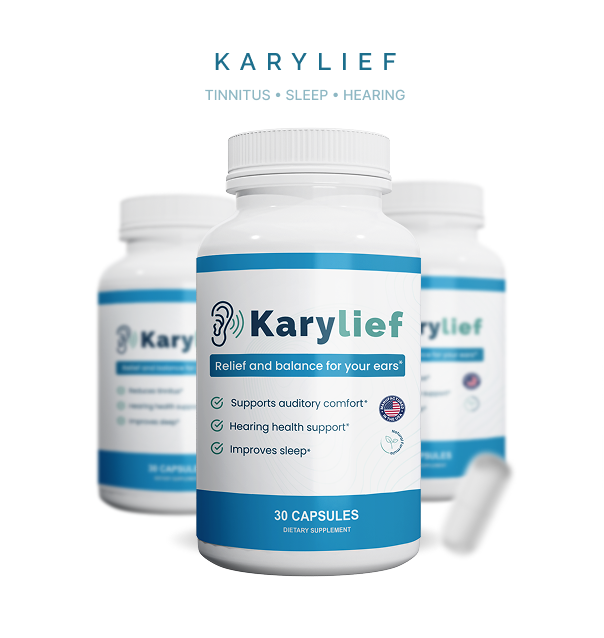
- Pairing exercise with natural supplements like Karylief can enhance hearing support.
- Addressing obesity through exercise can prevent potential hearing loss.
- Community-based group exercise offers social motivation that can benefit hearing health.
- Continued research is essential for understanding effective exercise interventions in hearing support.
References & Sources
- The relationship between hearing loss and physical activity — PubMed
- Impact of aerobic exercise on auditory function — PubMed
- Strength training effects on auditory processing — PubMed
- How stress affects hearing: A review — PubMed
- Obesity, sedentary lifestyle, and hearing loss risk — PubMed
- Exercise, neuroplasticity, and brain health — PubMed
- Group exercise and health outcomes — PubMed
Part of Our Complete Guide
Protecting Your Hearing Naturally: A Comprehensive 2026 ResourceExplore the full guide for everything you need to know →