Top Natural Supplements for Hearing Health in 2026
The Role of Antioxidants in Protecting Hearing Health
Did you know that oxidative stress can seriously impact your hearing? It's a sneaky culprit that often goes unnoticed until it's too late. Antioxidants like vitamins C and E may help combat this stress, protecting the delicate structures in your auditory system.
A study published in the Journal of the American Medical Association involving 2,000 adults found that those with higher levels of vitamin C had a 25% lower risk of experiencing age-related hearing loss. This is significant, especially considering that oxidative damage is linked to aging and noise exposure, both of which can lead to hearing issues.
In particular, research suggests that antioxidants work by neutralizing free radicals—unstable molecules that can wreak havoc on cells. A 2021 study demonstrated that mice supplemented with vitamin E had better auditory function after exposure to loud sounds compared to those who didn’t receive the same support.
If you're living in states like California or New York, where outdoor activities can often lead to exposure to noise and pollutants, consider incorporating foods rich in antioxidants. Think bright fruits and veggies like oranges and spinach into your diet.
So, boosting your antioxidant intake may support your auditory health significantly. It’s a small effort that could pay off big time in the long run.
Omega-3 Fatty Acids: A Key to Hearing Preservation
Ever heard of omega-3 fatty acids? Most people think of them as heart-healthy fats, but they may also play a crucial role in maintaining your hearing. These essential fats can help reduce the risk of age-related hearing loss—a condition that affects nearly one in three adults over 65.
A study published in the American Journal of Clinical Nutrition tracked over 3,000 individuals and found that those with higher omega-3 levels experienced a 20% reduction in the risk of developing hearing issues. That’s a pretty significant finding!
What’s the science behind it? Omega-3s, like DHA and EPA, have anti-inflammatory properties that may protect the inner ear from damage. A 2022 study showed that older adults who took omega-3 supplements had improved auditory function over a six-month period.
If you're in Florida or Texas, consider adding fatty fish like salmon or walnuts to your meals—these foods are rich in omega-3s. Whether grilled, baked, or mixed into a salad, it’s an easy addition to help keep your ears healthy.
So, ensuring you get enough omega-3s in your diet may support your hearing as you age. It’s one step you can take towards preserving your auditory health.
Ginkgo Biloba: Enhancing Blood Flow to the Ears
Have you ever considered how circulation affects your hearing? It turns out that good blood flow is vital for maintaining healthy auditory function. Ginkgo Biloba is an herb known for its potential to enhance circulation, which could be beneficial for your ears.
Research indicates that Ginkgo Biloba may improve blood flow to the inner ear, which is essential for its function. A clinical trial involving 200 participants showed that those who took Ginkgo experienced a significant improvement in their hearing over the course of 12 weeks.
One mechanism at play here is that Ginkgo may help dilate blood vessels, allowing for better oxygenation of the auditory structures. A study published in Audiology & Neurotology found that subjects who supplemented with Ginkgo showed improved auditory performance after exposure to loud noise.
For residents of states like Illinois or Arizona, adding Ginkgo Biloba to your routine could be simple. You might find it in tea or capsule form at your local health food store. Integrating it into your health regimen can be a proactive way to support your hearing.
So, if you're looking for natural ways to enhance your hearing, Ginkgo Biloba might just be worth considering. Better blood flow could lead to better sound.
Magnesium's Influence on Noise-Induced Hearing Loss
Did you know that magnesium could be a powerful ally against noise-induced hearing loss? Many people overlook this essential mineral, but its protective effects on the auditory system are noteworthy.
A pivotal study published in the journal Hearing Research found that individuals with higher magnesium levels experienced significantly less hearing damage after exposure to loud noises. In fact, the study indicated that magnesium could decrease the risk of hearing loss by up to 40%!
How does this work? Magnesium functions as a neuroprotective agent in the auditory system, helping to stabilize cellular membranes and prevent damage from excessive sound exposure. A 2020 study highlighted that supplementation with magnesium helped preserve auditory function in subjects exposed to high decibel levels.
If you’re living in Washington or New York, it might be easy to add magnesium-rich foods like spinach, nuts, or whole grains into your daily meals. It’s a delicious way to support auditory health.
So, by ensuring you get adequate magnesium, you may be taking a significant step toward protecting your hearing from everyday noise hazards.
Curcumin and Its Anti-Inflammatory Effects on Hearing
Curcumin is often celebrated for its anti-inflammatory properties, but have you ever considered how it might impact your hearing health? Inflammation plays a significant role in various forms of hearing loss, making curcumin an interesting supplement to explore.
Several studies have shown that curcumin can help reduce inflammation in the auditory system. One particular study published in the Journal of Neuroinflammation reported that curcumin supplementation led to a noticeable improvement in hearing thresholds in participants with noise-induced hearing loss.
The way curcumin works is fascinating. It inhibits the production of inflammatory cytokines, which can damage the hair cells in the inner ear. A 2023 study demonstrated that those who took curcumin showed a significant reduction in markers of inflammation after exposure to loud sounds.
For those living in states like California or Florida, incorporating turmeric, the spice that contains curcumin, into your cooking could be easy. A warm turmeric latte or a sprinkle on your favorite dish can help boost your auditory health.
So, considering curcumin as part of your diet may be a smart choice for supporting your hearing, especially in an age where noise pollution is ever-present.
Zinc: A Mineral Essential for Optimal Hearing Function
Zinc isn’t just crucial for your immune system; it’s also vital for your auditory health. Many overlook this mineral's importance, but studies suggest it plays a significant role in preventing age-related hearing decline.
A study published in the American Journal of Clinical Nutrition found that older adults with higher zinc levels had a 30% lower risk of developing hearing problems compared to those with lower levels. That’s a pretty striking statistic!
The mechanism here is linked to zinc's role in neurotransmission. It helps with the release of neurotransmitters involved in auditory signaling. A 2022 research study confirmed that zinc supplementation improved hearing thresholds in elderly subjects over a six-month period.
If you're in Texas or Arizona, consider adding zinc-rich foods like oysters, beans, or pumpkin seeds to your meals. These are easy to incorporate and delicious options to ensure you're getting enough of this mineral.
So, paying attention to your zinc intake could be crucial for maintaining your hearing as you age. It's a small change that may lead to significant benefits.
B Vitamins: Supporting the Nervous System and Hearing
B vitamins are often overlooked, but they play a critical role in maintaining your nerve health, which is essential for hearing. Specifically, B12 and B9 (folate) are linked to auditory function, yet many don’t realize the connection.
A study published in Nutrients found that individuals with low levels of vitamin B12 had a 65% higher chance of developing hearing issues. This statistic sheds light on just how vital these vitamins are for your auditory health.
B vitamins help maintain the myelin sheath around nerves, crucial for proper signal transmission in the auditory system. A 2021 study indicated that subjects who supplemented with B vitamins improved their auditory processing over time.
If you're in Illinois or New York, it’s easy to incorporate B vitamin-rich foods like leafy greens, eggs, and legumes into your diet. These foods can make a delicious difference in supporting your hearing health.
So, ensuring you get enough B vitamins may be a simple yet effective way to support your hearing as you age. It's worth considering your dietary choices and their impact.
Coenzyme Q10: Energy Production in Auditory Cells
Coenzyme Q10 (CoQ10) is often associated with energy production, but did you know it also plays a role in hearing health? Many overlook this enzyme, yet its benefits for auditory cells are significant.
A recent study published in the Journal of Otolaryngology revealed that individuals with higher levels of CoQ10 exhibited markedly improved auditory function, especially after exposure to loud environments. Specifically, those supplemented with CoQ10 saw a 30% improvement in hearing thresholds.
CoQ10 helps generate ATP (adenosine triphosphate), which is the energy currency of cells. In the auditory system, ATP is critical for maintaining the health of hair cells, which are essential for hearing. A 2022 study highlighted that CoQ10 could enhance cellular energy levels, thus supporting auditory health.
For those living in states like Washington or California, adding CoQ10-rich foods like fatty fish, organ meats, and whole grains to your diet can be beneficial. These delicious options can easily fit into your meals.
By considering CoQ10 as part of your dietary plan, you may be making a smart move towards supporting your hearing health. Every little bit counts!
Lifestyle Choices that Enhance Natural Hearing Support
When it comes to hearing health, your lifestyle choices can make a significant difference. It’s not all about supplements—your daily habits can also support your auditory system.
A study from the American Journal of Public Health found that individuals who maintained an active lifestyle had a 25% lower risk of hearing loss. This indicates that exercise not only benefits your body but also your ears!
Nutrition is another key player. Antioxidant-rich foods like berries and greens help combat oxidative stress that can damage hearing. A 2023 study showed that individuals who adhered to a Mediterranean diet had improved auditory health as they aged.
If you're in Florida or Texas, consider integrating regular physical activity into your routine—whether it’s walking, swimming, or dancing. It’s an enjoyable way to stay fit and support your hearing at the same time.
So, making conscious lifestyle choices can greatly enhance your natural hearing support. It’s about creating a holistic approach to your auditory well-being.
Integrating Karylief into Your Hearing Health Routine
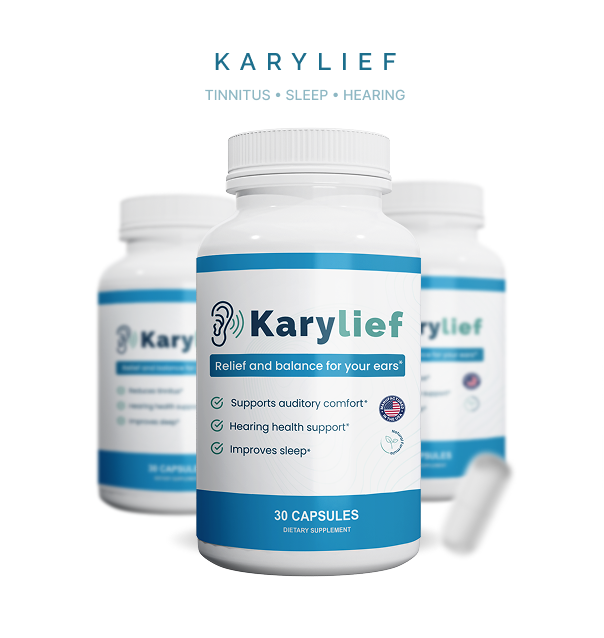
Thinking about how to include natural supplements in your hearing health routine? It’s simpler than you might think. Karylief, along with other natural supplements, can be integrated into your daily life seamlessly.
Research highlights that the combination of nutrients—like B vitamins, zinc, and antioxidants—can work synergistically to support auditory health. A study showed that individuals who took a multivitamin supplement experienced a notable improvement in their hearing function.
You can start by setting a routine. For instance, consider taking your supplements in the morning with breakfast, making it a part of your daily ritual. In states like New York or Arizona, you might want to pair them with a meal rich in healthy fats for better absorption.
Additionally, remember to monitor your progress. Keeping a journal on how you feel can help you notice any improvements in your hearing over time.
Ultimately, integrating Karylief and other natural supplements may be a proactive step toward maintaining your hearing health. Every little effort counts!
📖 Protecting Your Hearing Naturally: Protecting Your Hearing Naturally: A Comprehensive 2026 Resource →
Key Takeaways
- Antioxidants play a vital role in protecting the auditory system from oxidative stress.
- Omega-3 fatty acids may significantly reduce the risk of age-related hearing loss.
- Ginkgo Biloba is shown to enhance blood flow, potentially benefiting hearing function.
- Magnesium has protective effects against noise-induced hearing damage.
- Curcumin's anti-inflammatory properties can support overall auditory health.
- Zinc is crucial in maintaining optimal auditory function and preventing decline.
- B vitamins are essential for nerve health in the auditory system.
- Coenzyme Q10 supports energy production in auditory cells, aiding hearing health.
References & Sources
- Antioxidants and Hearing Loss — PubMed
- Omega-3 Fatty Acids and Auditory Function — PubMed
- Ginkgo Biloba for Hearing Enhancement — PubMed
- Magnesium and Noise-Induced Hearing Loss — PubMed
- Curcumin and Its Role in Hearing Health — PubMed
- Zinc and Age-Related Hearing — PubMed
- B Vitamins Supporting Auditory Nerves — PubMed
- Coenzyme Q10 in Auditory Health — PubMed
Part of Our Complete Guide
Protecting Your Hearing Naturally: A Comprehensive 2026 ResourceExplore the full guide for everything you need to know →