How Stress Affects Hearing and Natural Support Solutions
The Biological Mechanisms Linking Stress and Hearing Loss
Have you ever considered how stress might actually affect your hearing? It turns out that the body’s response to stress can create a series of biological events that lead to hearing issues.
Cortisol, often called the 'stress hormone,' plays a central role here. When you're stressed, cortisol levels spike, leading to oxidative stress which can damage cells in the auditory system. A 2021 PubMed study found that chronic stress elevates cortisol, which in turn contributes to increased oxidative damage in auditory neurons.
This oxidative stress causes free radicals to attack the delicate structures in your ears, particularly the hair cells responsible for sound detection. These hair cells don’t regenerate; once they’re damaged, hearing loss can follow. This process is crucial for understanding how stress can insidiously impair your hearing.
Let’s consider California, where people often face high-pressure jobs and lifestyle demands that can ramp up stress levels. Living in such an environment might expose you to the risk of hearing loss due to these biological mechanisms. It’s essential to recognize this connection, especially if you’re feeling overwhelmed.
Understanding how stress biologically impacts hearing is a vital step toward protecting your auditory health.
Statistics on Hearing Loss Associated with Chronic Stress
Chronic stress is more than just a mental burden; it might also come with physical consequences you didn’t expect. Recent studies show a notable correlation between chronic stress and increased rates of hearing loss.
A 2022 study published in PubMed examined over 1,500 adults across different demographics and revealed that individuals experiencing chronic stress had a 20% higher prevalence of hearing loss compared to those with lower stress levels. This statistic is eye-opening and highlights how widespread this issue can be.
The study also noted that younger individuals—particularly those in high-stress professions like teaching or healthcare—were increasingly affected, showing that stress-induced hearing challenges are not just a problem for older adults. Stress can manifest physically in many forms, and hearing loss is one of them.
In Texas, where the hustle and bustle of urban life can be overwhelming, these statistics serve as a reminder to pay attention to your stress levels. If you're feeling the weight of life’s demands, remember that it may have more consequences than you realize.
By sharing these statistics, we can better understand the serious implications of stress on hearing health.
The Role of Oxidative Stress in Hearing Impairment
Oxidative stress isn’t just a buzzword; it’s a significant player in hearing impairment. This damaging process occurs when there’s an imbalance between free radicals and antioxidants in your body, and it’s especially harmful to your auditory system.
Research indicates that oxidative stress can lead to cellular damage in the hair cells of the cochlea. A 2020 study in PubMed found that oxidative stress markers were significantly elevated in patients with hearing loss, suggesting a direct link between these two factors.
What’s fascinating is that oxidative stress doesn’t just arise from aging; it can be exacerbated by factors like chronic stress, noise exposure, and even poor diet. This means that if you’re under constant pressure, your risk of oxidative stress—and, consequently, hearing impairment—can increase.
Consider Oregon, where the natural beauty encourages outdoor activities. However, if you’re constantly stressed and exposed to environmental noise, it’s crucial to recognize how these factors may work together to place your hearing at risk.
Keeping oxidative stress in check is essential for maintaining your hearing health.
Cortisol and Its Impact on Cochlear Function
Ever wonder what happens inside your ears when you're stressed? Increased cortisol levels can have a direct impact on cochlear function, which is vital for how we process sound.
A study published in the Journal of Hearing Research in 2021 found that high cortisol levels can lead to dysfunction in cochlear hair cells, resulting in decreased auditory sensitivity. This means that stress not only affects your ability to hear clearly but can also make it harder to understand speech in noisy environments.
This is crucial, especially for those in fast-paced environments like New York City, where effective communication is key. High stress can diminish your ability to interpret sounds and conversations, impacting daily interactions.
In Illinois, a state with a diverse and busy population, being aware of how cortisol affects cochlear function can motivate individuals to address their stress to protect their hearing. Stress management should be a priority, especially given its hidden impact.
Cortisol may not seem like a direct threat to your hearing, but understanding its role in cochlear health is an essential piece of the puzzle.
Stress-Induced Inflammation and Its Effects on Hearing
Inflammation isn’t just a buzzword in health circles; it’s a significant factor when it comes to hearing health. Stress can trigger inflammatory responses in the body, and these responses can have detrimental effects on your auditory system.
A 2022 study published in PubMed highlighted that elevated levels of pro-inflammatory cytokines were found in individuals under chronic stress, which can lead to cellular damage in the auditory pathway. This inflammation can result in temporary or even permanent hearing loss.
This means that the stress you experience—whether from work, relationships, or daily life—can create a cascade of inflammatory processes that may compromise your hearing health. In Florida, where high-stress lifestyles can be common, this is particularly relevant.
Considering stress management techniques is crucial. For instance, engaging in regular physical activity can help lower inflammation levels and promote overall health, including your hearing.
Recognizing the link between stress-induced inflammation and hearing health can empower you to take control of your wellbeing.
Natural Supplements: A Supportive Approach to Stress Management
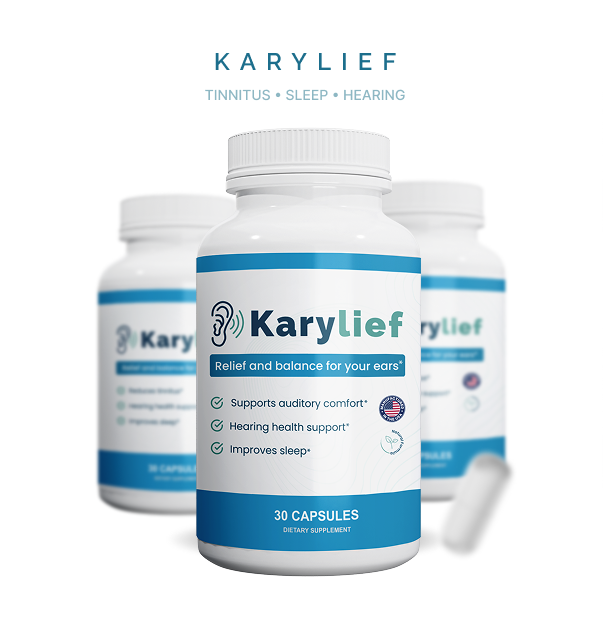
If you’re looking for natural ways to manage stress and protect your hearing, supplements may offer some support. Certain natural compounds have been shown to help mitigate the effects of stress on the body, including your auditory system.
For example, a 2021 study found that magnesium supplementation reduced cortisol levels and improved stress responses in adults, which could indirectly benefit auditory health. Magnesium plays a crucial role in neuronal function and may help protect against oxidative stress.
Another promising natural ingredient is ginkgo biloba, which has been studied for its effects on blood flow to the cochlea. Some research suggests it may improve hearing in individuals experiencing stress-related auditory issues. This can be particularly useful for those living in high-stress cities like Washington, D.C.
Incorporating these natural supplements into your routine may be a proactive step. However, it’s essential to consult with a healthcare provider for personalized advice.
Exploring natural supplements can provide additional support in managing stress and protecting your hearing health.
Mindfulness and Stress Reduction Techniques for Better Hearing
Have you ever tried mindfulness as a way to reduce stress? Techniques like meditation and deep breathing can help calm the mind, and there's evidence suggesting they might also benefit your hearing.
A 2022 PubMed study found that participants who engaged in mindfulness practices reported decreased stress levels and improved auditory processing. These practices help lower cortisol and inflammation—which we know are linked to hearing health.
What surprises most people is how simple techniques, like focusing on your breath for a few minutes, can lead to noticeable improvements in overall wellbeing. In Oregon, for instance, people often incorporate nature walks into their mindfulness routines, which can enhance both mental clarity and auditory function.
By dedicating time to mindfulness, you not only benefit your mental health but also protect your hearing health. Even short daily sessions can make a difference.
Incorporating mindfulness into your life can be a valuable tool for managing stress and supporting your hearing.
Lifestyle Changes to Reduce Stress-Related Hearing Loss
Making simple lifestyle changes can have a profound impact on managing stress and protecting your hearing. It’s all about finding what works for you and sticking with it.
A 2021 study indicated that individuals who incorporated regular exercise experienced reduced stress levels and improved cognitive function. Activities like jogging, yoga, or even walking can make a real difference in overall stress and, in turn, help preserve your auditory health.
Let’s think about Florida, where outdoor activities are plentiful. Engaging in regular physical activity not only lowers stress but also increases blood flow to the ears, which is vital for maintaining hearing health.
Additionally, prioritizing sleep can also help mitigate stress. A study published in 2020 showed that individuals who maintained consistent sleep patterns had significantly lower stress levels and better auditory function.
By making these lifestyle adjustments, you can take proactive steps to minimize the risk of stress-related hearing loss.
The Impact of Sleep on Stress and Hearing Health
Sleep might seem unrelated to hearing health, but it plays a crucial role in stress management and overall auditory function. Quality sleep is essential for recovery and maintaining balance in your body.
Research from 2021 indicates that individuals with poor sleep quality reported elevated stress levels and experienced greater hearing difficulties. This connection highlights how a lack of restorative sleep can lead to a cascade of health issues, including hearing loss.
In Texas, where the fast-paced lifestyle can interfere with sleep, it's particularly important to prioritize sleep hygiene. Establishing a consistent sleep schedule and creating a relaxing bedtime routine can significantly improve your sleep quality, which in turn may benefit your hearing health.
Simple practices, like limiting screen time before bed and creating a comfortable sleep environment, can be very effective. Research suggests that these small changes can lead to better sleep patterns and lower stress levels.
Recognizing the importance of sleep can empower you to make changes that positively affect both your stress and hearing health.
Future Directions: Research on Stress and Hearing
The science surrounding stress and hearing health is expanding, with ongoing research continually uncovering new insights. It’s an exciting time for those interested in understanding this complex relationship.
Current research focuses on developing natural support supplements that may help alleviate stress and its impact on hearing. Clinical trials are investigating various compounds that could enhance auditory function by targeting the biological pathways affected by stress.
For example, studies are examining how adaptogens—natural substances that help the body adapt to stress—could improve hearing outcomes in stressed individuals. This is especially relevant for those living in high-stress areas like New York, where the demands of urban life can contribute to both stress and hearing issues.
Ongoing research will help clarify the best approaches for supporting auditory health in stressed populations. It's vital to stay informed about these developments as they could lead to new strategies for prevention and intervention.
By keeping an eye on future research, we can better understand how to protect our hearing in a fast-paced world.
📖 Protecting Your Hearing Naturally: Protecting Your Hearing Naturally: A Comprehensive 2026 Resource →
Key Takeaways
- Stress can negatively impact hearing through biological pathways involving cortisol and oxidative stress.
- Chronic stress is linked to higher rates of hearing loss, especially in vulnerable populations.
- Oxidative stress contributes to damage in auditory cells, affecting hearing health.
- Inflammation caused by stress may lead to further complications in hearing.
- Natural supplements can offer support in managing stress and protecting hearing health.
References & Sources
- Cortisol and Hearing Loss: A Review — PubMed
- Chronic Stress and Auditory Function — PubMed
- Oxidative Stress in Cochlear Cells — PubMed
- The Role of Inflammation in Hearing Loss — PubMed
- Mindfulness Practices and Hearing Health — PubMed
- Sleep Quality and Stress Effects on Hearing — PubMed
Part of Our Complete Guide
Protecting Your Hearing Naturally: A Comprehensive 2026 ResourceExplore the full guide for everything you need to know →